
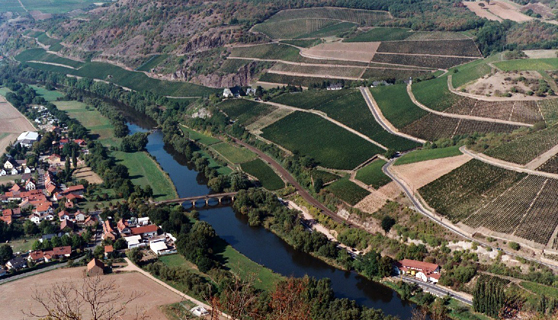

There's an interesting article on WineFolly.com (and if you don't know about WineFolly, you should definitely check it out) called 8 Wines That Every Wine Lover Should Know
http://winefolly.com/review/8-wines-every-red-wine-lover-know/
It is actually a blog rather than an article, so I will cut some slack on that. It's not all that well conceived and executed, and lacks focus. It's unclear whether the writer is talking about specific wines or general wines of a category or wines of a specific place. there's sometimes a disconnect between the photos and the text as well.
It's also unclear whether this was a suggestion to "have" or to "know" certain wines. You can talk about the legendary DRC wines al you wish---it's not going to get me one bit closer to actually tasting the wines of DRC BECAUSE I CAN'T AFFORD even a small samle of any of them. (Actually, I don't need to. I already know----i.e., have tasted---the wines of DRC through multiple vintages.)
"We would not know great Pinot Noir wines today without a little DRC." Thereby consigning the vast majority of wine drinkers to never really understanding great Pinot Noir if you haven't been able to indulge yourself in DRC. Again, are talking about knowing or tasting here? Seems to be tasting; and that, sadly, is a very limited club when it comes to DRC.
The whole Clairet-Rose'-Claret-Bordeaux Blend thing totally lost me.
Is Chateau Fortia meant to be the singular iconic must-know/must have of Chateauneuf-du- Pape? Hmmm. Can't understand or appreciate CdP without quaffing Chateau Fortia? I don't think so.
You're subtitling it the birth of Amarone, but you picture and cite Bertani Secco-Valpolicella as your icon? (Mind you, I used to sell the Bertani, and I have always loved it, but Bertani wasn't the birth of Amarone. Precursor at best. Amarone was born when winemakers, not having the climate/grapes combo to make big, rich, lusty red wines, came up with the Passito concept to artificially manipulate the wines to higher alcohol and greater density, primarily for their own consumption and only relatively recently (in Italian time spans) for public consumption. The Secco-Bertani is great---but I don't see the "therefore it follows" to Amarone, because Bertani didn't beget Amarone. (Which doesn't lessen the deliciousness of Bertani one whit.)
Yet despite all my niggles, it's an article worth reading....and thinking about. Good points are made; wine histories are revealed, and it gets to the essence of why certain particular wines inhabit a special and significant place (besides just tasting good).
 ) of Chiaretto, Bardolino, Valpolicella, Recioto, Amarone, and Ripasso. Even if she wanted to praise it in the category of passito wines, there are far better.
 Which I am actually cool with, and totally understand.