
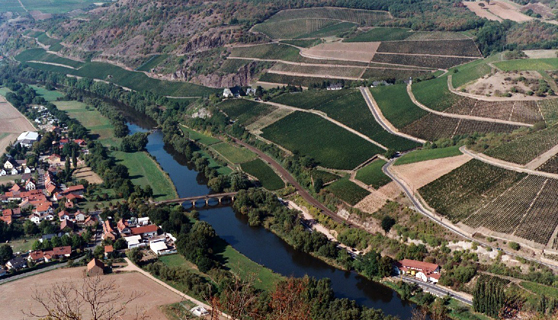

On a neverending quest to better understand champagne, I recently attended a tasting of champagne at Arlequin Wine Merchants in San Francisco where I was able to introduce myself a number of new-to-me champagnes. Lots of récoltants-manipulants/grower-producers and lots of different expressions of Champagne. As I am not so familiar with the geography and terroir of the champagne region, I was excited to learn more about the geographical diversity within Champagne. Thewinedoctor.com is an incredible resource for understanding such differences, and much of the information below comes from that website along with other websources (alas, champagne producer websites, as with liquor producers, are infected by the flashy information-poor 'luxury' style of marketing, blech).
Four main regions within Champagne were included in my tastes. First, and most familiar to me, is the Montagne de Reims, a hill rising to an elevation of 286 meters between the famous towns of Reims to the north and Epernay in the south. According to the winedoctor.com, "there is more than chalk to the mountain, however, as it also bears layers of clay, sand and sandstone, lignite (a soft and wet fossil fuel, often referred to as brown coal, previously much quarried here) and marl, a mix of clay and limestone. Nevertheless it is chalk that characterises these vineyards . . . " And a simple look at a map suggests orientation of the vineyards as an important factor , with the north and northeastern facing grand cru villages of Verzenay and Verzy and premier cru villages of Ludes, Rilly-la-Montagne, Chigny-les-Roses a mere 20 minute drive outside of Reims, and the south-southeastern facing grand cru slopes of Ambonnay and Bouzy a 33 minute drive if you drive right over the peak. Valée de la Marne: the River Marne cuts its way through the region on the southside of the Montagne on its way to the Seine and the chalk fades as a soil component once one moves west of the grand cru Aÿ and premier crus Dizy and Cumiéres on the northside of the river. Or as thewinedoctor so elegantly puts it: "There are areas of sand and sandstone, loess and lignite, and as you move west along the valley these less favourable materials quickly become more and more prominent, the seam of chalking thinning away to a whisper, before vanishing altogether." What prose! Evidently the less interesting/less distinct soils prove good growing ground for pinot meunier used in blends, particularly among the big blending houses, but my familiarity with the western Marne is non-existent. Épernay, which lies on the southside of the river Marne is the northern outpost for the Côte des Blancs, a set of eastern facing slopes including the grand crus of Cramant, Avize, Oger, Mesnil sur Oger and the premier cru Vertus at the southern tip--about a 27 minute drive from Épernay to Vertus if you drive along the vineyards, whereas Vertus is just shy of an hour drive south from Reims using the quickest route. All in all, these parts of Champagne were the more familiar and the more compact. But I also had the chance to try some champagne from Montgueux and the Côtes des Bar, a good 90-105 minute drive south on the autoroute. A great deal removed, with apparently few vineyard views along the drive. Grapewise, the Montagne de Reims focuses on pinot noir, with apparently very different expressions depending on the situation of the vineyard (terroir and all that), the Côtes des Blancs focusing on chardonnay, pinot meunier in the western reaches of the Valée de la Marne, and all sorts of mixtures elsewhere.
Tastings as tastings are, the notes below are harried and pretty rough sketches. Lots of background info on the wines was gleaned from the web after the event. The wines were excellent across the board and very useful introductions or updates to the producers.
First up from the Côte des Blancs:
The first producer was Larmandier-Bernier--from ethicalwine.com: Pierre and Sophie Larmandier have about 15 hectares on the Côte des Blancs around the 1er Cru village of Vertus and the Grand Cru villages of Cramant, Chouilly, Oger and Avize. 85 percent chardonnay and 15 percent pinot noir. biodynamic, they use the natural yeasts from the bloom of the grapes for the first fermentation rather than introducing commercial yeasts.
NV Larmandier-Bernier Tradition Brut 1er Cru: My notes have this as predominantly 2007 with some 2006 and 2005 in the reserve. 85 percent chardonnay and 15 percent pinot noir. Firm, fantastic, yeasty nose, taste crisp, intense and beautiful. Very vibrant and one of my favorites of the tasting.
NV Larmandier-Bernier Blanc de Blancs Brut 1er Cru
From the producer: Made exclusively from our Côte des Blancs Chardonnays (Vertus, Cramant, Avize, Oger), mostly from the 2007 vintage. The proportion of reserve wines (coming from several previous vintages) is about 40%.
Smell green restrained nose, firm and even, taste green and salty, great food wine, really firm, should be even more interesting with some more time, I'd guess.
Next up, the equivalent of 1 hour and 40 minutes south to a producer from the village of Celles-sur-Ource in the Côte des Bar was the producer Cédric Bouchard. From polanerselections: Cedric is an enthusiastic and passionate young vine grower who started in 2000, with his own label, Roses de Jeanne. At the time he was the smallest owner to produce a champagne, with a total of 1.09 hectares. Now has 1.47 hectares.
Single vineyard, single vintage, single grape wines here, according to my notes. The antithesis of the powerhouse blended champagnes. NV Cédric Bouchard Inflorescence Blanc de Noirs Val Vilaine. The Inflorescence comes from Cedric's father's vines (lieu-dit Val Vilaine), whereas the Roses de Jeanne is the label Cedric uses for the wines from his own vineyard (lieu-dit Les Ursules) with lower yields and perhaps more expressive of his preferred style. Cedric prefers his wines decanted, and releases wine under less pressure (about 4.5 atmospheres versus the more typical 6-6.5 according to my notes).
The Inflorescence Blanc de Noirs has a much more silent nose compared to the first two wines, but, wow, is it textured, crisp licorice and rhubarb, very savory interpretation and very pinot noiresque to me.
The 2008 Cedric Bouchard--Roses de Jeanne Blanc de Noirs Les Ursules, on the other hand, seems some what richer, but still very textured. I'm getting the appeal of having these wines with less bubbles. Big fruit, more grape here. I think I preferred the Inflorescence, but they are both very seductive wines. 30 year old pinot vines, 300 cases produced.
Still down south near the Aube, a drive from the previous village of Celles-sur-Ource to Montgueux, where Jacques Lassaigne is located, still takes more than 45 minutes. I'm not sure I've ever encountered a Champagne from this subregion before. 4.7 hectares, limestone soil ideal for chardonnay. The NV Jacques Lassaigne Extra Brut Blanc de Blancs Les Vignes de Montgueux has more pastry and sugar on the nose, tastes nicely rich, but rich isn't quite the right word, it's really nicely defined, lots of chardonnayesque character with good dollop of yeast. Very interesting as the yeast is indigenous, if memory serves. In any case, this was another star for me, and another wine that is just plain drinking delicious at the moment. The NV Jacques Lassaigne Extra Brut Rosé is based on 2007 chardonnay with 15 percent pinot noir added for color. Fantastic tutti-frutti nose, rich, lots of fruit here, fun, playful, simple. Simpleness here is very good, but I could imagine this one flowering out a bit more with some time.
Only six wines in, and I've already experienced tastes of the Côtes des Blancs, Côtes des Bar and Montguieux. Superb tasting stuff. The move to the style of the next two more traditional grand marque houses for old skool champagne was quite a shock to my palate, and would probably have done better to start with these two and then moved on to the other wines, as the austere and reserved nature seemed much harder to appreciate, though I've loved both wines before. The NV Gosset Brut Excellence goes for a blend of 45 percent pinot noir, 35 percent chardonnay, and 20 percent pinot meunier. You feel the heft of the wine very early, and it almost feels alcoholic at first (that fades, but the shock to the palate is pretty noticeable over the last wine). It was very hard to read this wine.
The NV Pol Roger Brut Reserve is a blend of one-third each of chardonnay, pinot noir and pinot meunier. Again tastes much higher octane, soft and juicy with a great, really great finish. Interesting how little I could read from these wines on this occasion. Very different stylistically from what else was on the table.
Next onto the first entry from the Valée de la Marne. The estate has 16 hectares on the eastern edge of the Vallée de la Marne in the grand cru Aÿ and premier cru Dizy. Paul Berthelot started making wines under his own label in 1977 and his grandson Arnaud now runs the estate. According to my notes, this NV Paul Berthelot Brut Reserve is 2006 based wine with 15-20 percent reserve wine up to 10 years old, so a bit more lengthy than the typical reserve for a nonvintage. 60 percent chardonnay, 30 percent pinot meunier and 10 percent pinot noir. Finely tuned bubbles, soft and easygoing. Fun, yeasty, lots of fun. Great celebration wine.
Returning again to the Côtes des Blancs, a quick 22 minute car ride south to the village of Oger for the NV Jose Dhondt Blanc de Blancs. More savory nose than the previous wine, very finely tuned bubbles, great balance. This is rich yet stony, bright and chipper. Excellent classic yeastiness. This is really my style of wine, with a bit more savoriness than I might expect in a blanc de blancs. Great wine for the table.
A quick hop (of 28 minutes or so) heading northeast back to the southern slopes of the Montagne de Reims to the village of Bouzy for the first rosé of the tasting. The Savès estate has 10 hectares in Bouzy, Ambonnay, Tours-sur-Marne (all grand cru) as well as the premier cru of Tauxières. The NV Camille Savès Rosé, however, seems to be from chardonnay and pinot noir (along with red wine blended in) from the vineyards in Bouzy. In any case, lots of tangy fruit on the nose, tastes of fun rounded fruit as well, hints of sweetness. Very soft, very easy, but refined and elegant. Outstanding. Absolutely outstanding. Adorable wine.
And heading right back south again to the Côtes des Blancs to Mesnil sur Oger. Pierre Peters has around 18 hectares in the villages of Mesnil sur Oger, Oger, Avize and Cramant. The NV Pierre Peters Blanc de Blancs offers a nice savory nose but, bam, once you get it in your mouth the texture is just holy smokes. Delicate, rich, wow, oh my goodness, this is rich goodness. I would love to revisit this in a year or three. Staying within the Côtes des Blancs and heading to Oger, where Jean Milan has less than 6 hectares and accordingly now purchases some grapes from neighbors to make wine. The NV Jean Milan Blanc de Blancs Grand Cru has a pretty silent nose, but offers tart apples and peaches in my mouth and dried fruits. A tad simple at the moment, 'cept that note of dried fruits could be very interesting indeed as this opens up.
Back north to the Valée de la Marne where Gaston Chiquet has around 22 hectares of vineyards in Hautvillers, Mareuil-sur-Aÿ and Aÿ. The Spécial Club is a tête de cuvée designation with a special label and bottles for producers in the group (I'll have to do more research on this, as I hadn't encountered the Spécial Club before--feels like I need a necktie and a jacket or something). Terry Thiese reports that the base wines go through malolactic and there is a low dosage here. The 2000 Gaston Chiquet Spécial Club 1er Cru, whatever it may be, has a fantastic apricot and gingerbread nose, black currants, layered blackberries in the mouth, licorice, this is very very nice. Another Spécial Club comes from Marc Hébrart who has around 14 hectares spread around 67 parcels of vineyard in Mareuil-sur-Aÿ, Avenay Val d’Or and Bisseuil as well as Chouilly and Oiry in the Côte des Blancs. The 2002 Marc Hébrart Spécial Club 1er Cru has a nose of anise and seems very layered and very fresh. Quite beautiful if a bit silent compared to the Gaston Chiquet.
Over the hill and through the woods to the northern side of the Montagne de Reims and the village of Rilly-la-Montange to the producer Vilmart & Cie (11 hectares). The NV Vilmart & Cie Grand Cellier Brut 1er Cru seems slightly sweet, certainly fruity, lime, melon, simple and damn delicious, phenomenal finish. This beautiful sparkler is ready to drink right now! The 2004 Vilmart & Cie Grand Cellier d'Or Brut 1er Cru has an expressive buttery nose, sweet, soft, dignified and elegant, complex outstanding finish. Wow. What a phenomenal producer.
And back across the hill south again to return to the Valée de la Marne, this time the village of Cumières for the producer René Geoffroy. The Geoffroys own 14 hectares in Cumières, Hautvillers, Damery and Fleury-la-Riviere. Here they avoid malolactic. The NV René Geoffroy Brut Rosé is layered, textured and delicious. Refined yet slightly rustic in a way I really like. This is nowhere near as elegant as the Camille Savès above, but it is still pretty delicious and seems like a great wine for food.
A slight dip southeast to the Côtes des Blancs to Cramant, where A. Lancelot-Pienne owns 5.5 hectares. The NV A. Lancelot-Pienne Blanc de Blancs Grand Cru has a lovely jolly rancher nose, and tastes citrusy, delicious bright yeasty fun. Very primary at the moment, but plenty of fun. Staying within the Côtes des Blancs, De Sousa is located in Avize and maintains 42 parcels over 11 hectares in Avize, Cramant and Oger. The NV De Sousa et Fils Brut Tradition doesn't offer much on the nose, but tastes layered, rather fruity, integrated yet quite silent at the moment. Too tight for me to read. Still within the Côtes des Blancs, Pierre Moncuit in Le Mesnil sur Oger owns 15 hectares of vineyards that average around 30 years old (and also own another 4 hectares further south in the Côtes de Sézanne). The NV Pierre Moncuit Blanc de Blancs Grand Cru has a fantastically expressive nose and tastes textured, elegant and soft. Refined, tons of structure, I really dig this wine.
Next onto the 11 hectares in Chigny-les-Roses on the northern side of the Montagne de Reims maintained by Lassalle. The NV J. Lassalle Brut 1er Cru Cachet d'Or is a blend of 25 percent chardonnay 60 percent pinot meunier and 15 percent pinot noir. Rich sweet tangy fruit, very juicy. Another fun wine. Back down to the southern tip of the Côtes des Blancs to visit Vertus, where Veuve Fourny grows their grapes. The NV Veuve Fourny & Fils Champagne Brut 1er Cru Rosé offers one of the few noses of the evening with a bit of funk, crazy and different. Taste tangy fun, lots of lime zest, this is a great geek champagne and drinking very interestingly right now. Back to Lasalle, the NV J. Lassalle Brut Rosé is very integrated, very poised, some softness, some fresh berry elements. Awesome flavors. Great berry approach to sparkling rosé.
Phew, I'm exhausted. What a lineup!