
Fellas and gals, how many times are we going to go through this nonsense?
http://www.wineloverspage.com/wineadvisor2/tswa20100416.php

Moderators: Jenise, Robin Garr, David M. Bueker

Dave Erickson
Wine guru
808
Tue Jun 20, 2006 4:31 pm
Asheville, NC
Neil Courtney
Wine guru
3257
Wed Mar 22, 2006 6:39 pm
Auckland, New Zealand
Covert
NOT David Caruso
4065
Wed Mar 29, 2006 9:17 pm
Albany, New York
Dave Erickson wrote:Fellas and gals, how many times are we going to go through this nonsense?
http://www.wineloverspage.com/wineadvisor2/tswa20100416.php
Covert
NOT David Caruso
4065
Wed Mar 29, 2006 9:17 pm
Albany, New York
Neil Courtney wrote:We have one wine 'expert' in this country who is vociferously opposed to screw-caps on ANY wine. I think I recall him saying the Teflon (or whatever) lining on the cap is sure to give you cancer, so standing them up might reduce this possibility. He is also very opposed to the idea of wine shows where he considers that all of the judges and the judging process itself is fatally flawed so you can not read anything into a gold medal award. Not many wine drinkers who know anything about wine take much notice of him.
In NZ we are getting over 85% of wines under screwcap, including top end reds made for aging. Those that are not under screw cap are increasingly using Diam technical corks now. Natural cork usage is still on the decline. Some cork users have found that distributors in some countries will not buy a screw-capped bottle so some are bottled in a mixture of screw-caps and cork just so they can export to these countries. Then again, some of the super market chains in the UK, for example, insist on screw caps.
ChefJCarey
Wine guru
4508
Sat Mar 10, 2007 8:06 pm
Noir Side of the Moon
John S
Wine guru
1216
Thu Jun 22, 2006 2:12 am
British Columbia


Ed Comstock
Wine geek
63
Thu Oct 15, 2009 4:24 pm
Hoke
Achieving Wine Immortality
11420
Sat Apr 15, 2006 1:07 am
Portland, OR
Ed Comstock wrote:What is the conventional wisdom about the glass stoppers (a question raised earlier in the post but never resolved) and aging? I find them to be a very elegant, if pricey (?) solution. But I have come across very little about how wines are meant to age with these. I think what little I have heard suggests that the wines do age, but do so more slowly and perhaps to less affect?
Specifically, I have a bunch of Weinbach Cuvee St. Catherine Rieslings under glass enclosure. My plan was to age them. Is this a bad idea?
Mark Lipton
Oenochemist
4870
Wed Mar 22, 2006 1:18 pm
Indiana
Hoke wrote:Ed Comstock wrote:What is the conventional wisdom about the glass stoppers (a question raised earlier in the post but never resolved) and aging? I find them to be a very elegant, if pricey (?) solution. But I have come across very little about how wines are meant to age with these. I think what little I have heard suggests that the wines do age, but do so more slowly and perhaps to less affect?
Specifically, I have a bunch of Weinbach Cuvee St. Catherine Rieslings under glass enclosure. My plan was to age them. Is this a bad idea?
Well, see, there's your problem: you put conventional and wisdom together!
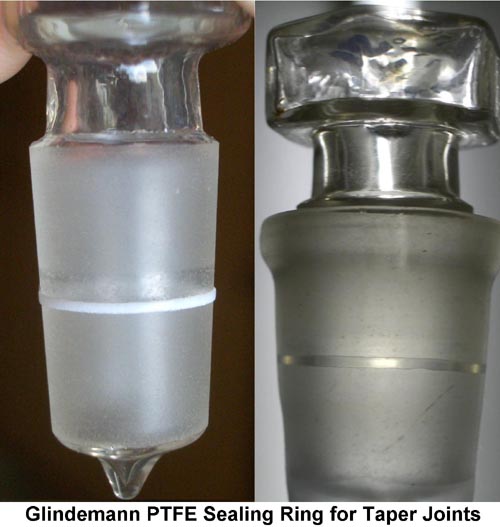
Seriously, the basic feeling is pretty much that the "glass stopper" is a creative slant on the idea of using plastic (as in the or ring that is what actually seals the bottle, and not the stopper itself to perform the function, while using the image of glass to elevate the perception.
In other words, fiendishly clever distraction through brilliant marketing.
Daniel Rogov
Resident Curmudgeon
0
Fri Jul 04, 2008 3:10 am
Tel Aviv, Israel
Graeme Gee
Ultra geek
177
Fri Mar 24, 2006 1:13 am
Sydney, Australia
Bernard Roth wrote:Ines,
The screwcap is primarily a marketing statement frrom the winery that the wine in the bottle is ready to drink as soon as you buy it. There may be some screwcap wines that will benefit from aging, like Aussie riesling, but they are not being sold to age.
ChefJCarey
Wine guru
4508
Sat Mar 10, 2007 8:06 pm
Noir Side of the Moon
ChefJCarey wrote:I need to know more about the composition of the screwcap. Is it all metal? If so, what metals are incorporated? Is there a plastic lining it? If so, what kind of plastic? Is there an industry standard? I know cork is 100% cork, even if it's bad cork.
Mark Lipton
Oenochemist
4870
Wed Mar 22, 2006 1:18 pm
Indiana
ChefJCarey wrote:ChefJCarey wrote:I need to know more about the composition of the screwcap. Is it all metal? If so, what metals are incorporated? Is there a plastic lining it? If so, what kind of plastic? Is there an industry standard? I know cork is 100% cork, even if it's bad cork.
I'm repeating this since no one commented on it. Maybe I'm an idiot and everyone on the planet but me knows the composition of the metal/plastic that comes in contact with the wine. And what the reaction will be. And if you don't, why is no one concerned about this?
Hoke
Achieving Wine Immortality
11420
Sat Apr 15, 2006 1:07 am
Portland, OR
ChefJCarey
Wine guru
4508
Sat Mar 10, 2007 8:06 pm
Noir Side of the Moon
Mark Lipton wrote:ChefJCarey wrote:ChefJCarey wrote:I need to know more about the composition of the screwcap. Is it all metal? If so, what metals are incorporated? Is there a plastic lining it? If so, what kind of plastic? Is there an industry standard? I know cork is 100% cork, even if it's bad cork.
I'm repeating this since no one commented on it. Maybe I'm an idiot and everyone on the planet but me knows the composition of the metal/plastic that comes in contact with the wine. And what the reaction will be. And if you don't, why is no one concerned about this?
Sorry, Chef, I thought that someone had already answered that. There's an inert plastic liner inside the screwcap that is the only part that comes in contact with the wine. I don't know what plastic they use, but that''s what is varied to get the differing levels of oxygen ingress in screwcaps.
Mark Lipton
Max Hauser
Ultra geek
447
Thu Jul 19, 2007 2:57 pm
Usually western US
Paul Winalski
Wok Wielder
9694
Wed Mar 22, 2006 9:16 pm
Merrimack, New Hampshire
ChefJCarey wrote:I'm repeating this since no one commented on it. Maybe I'm an idiot and everyone on the planet but me knows the composition of the metal/plastic that comes in contact with the wine. And what the reaction will be. And if you don't, why is no one concerned about this?
Victorwine
Wine guru
2031
Thu May 18, 2006 9:51 pm
Max Hauser
Ultra geek
447
Thu Jul 19, 2007 2:57 pm
Usually western US
Victorwine wrote:... Whether or not a screw cap liner is “air-tight” or not has very little to do with the bottle being stored vertical or horizontal...
Users browsing this forum: AhrefsBot, Baidu [Spider], ClaudeBot and 0 guests